










PAICV demands urgent government responses to rationing and shortages of goods in Brava and Fogo
The PAICV criticizes the government for serious failures in the supply and rationing of water, energy and essential goods on the Brava and Fogo islands, blaming the cabotage model and the lack of support for agriculture. The party calls for urgent intervention, more coordination with the municipalities and criticizes the executive's reactive decisions. In Parliament, MPs will debate internal reforms and the PAICV will present a vote condemning the coup in Guinea-Bissau.
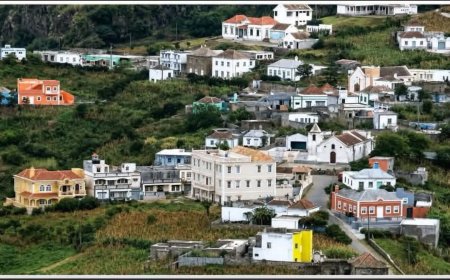
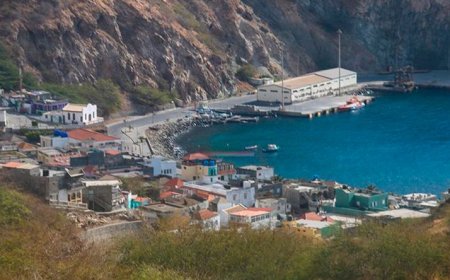
The PAICV has once again warned of what it describes as a "serious and unsustainable" situation on the Brava and Fogo islands, marked by failures in maritime transportation, water rationing, energy difficulties, lack of support for agriculture and shortages of essential products.
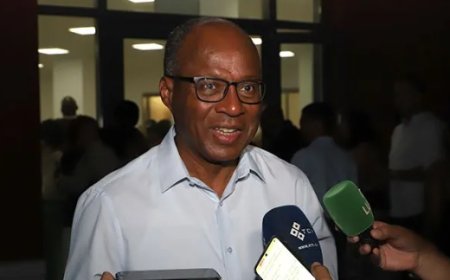
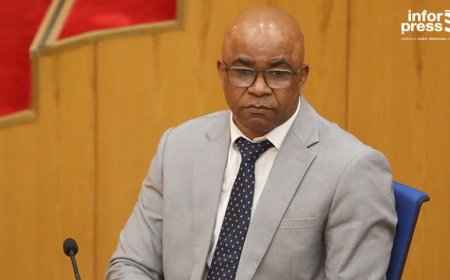
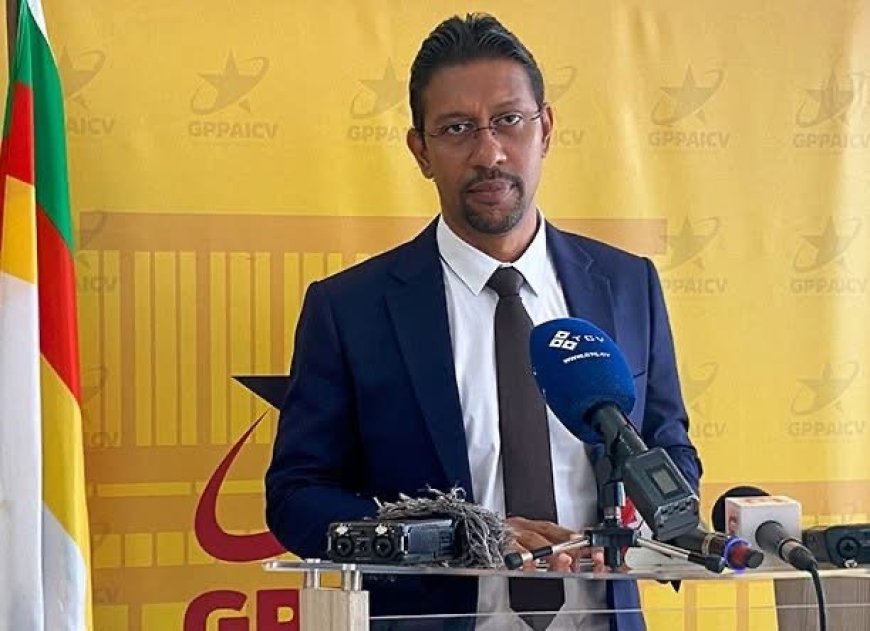
At a press conference on the outcome of the parliamentary days, the leader of the parliamentary group, Clóvis Silva, said that recent changes to the cabotage service had worsened access to essential cargo, leaving traders and families in a critical situation. According to him, the current maritime concession model does not guarantee the regular supply of goods such as drinking water, frozen foods, milk and yogurt.
Although a recent shipment has been made by Atlantic Shipping and new trips have been announced by CV Interilhas, the leader stressed that the problem persists due to traders' difficulty in securing space for goods and trucks.
In Brava, water and energy rationing continues to penalize the population. Clóvis Silva also pointed out flaws in the planning of the Furna desalination plant, an investment of around 5 million euros. According to the parliamentarian, the water collected has high levels of manganese, compromising the membranes and limiting their operation.
In Fogo, farmers turned to the GPPAICV to express frustration with the Ministry of Agriculture and Environment. According to the parliamentary leader, producers feel ignored, face pests, water shortages and a lack of technical support - and reject recent statements by a farmer suggesting widespread satisfaction in the sector.
Another point highlighted was the government's decision to acquire a ship to reinforce the Fogo/Brava maritime link. Clóvis Silva recalled that the four municipalities in the region had already carried out a feasibility study with a view to solving the problem on their own initiative. The PAICV considers the decision positive, but criticizes the fact that it was taken "reactively and without communicating it to the country", advocating greater coordination between the government and local authorities.
The MP reiterated that the government must support the municipalities, stressing that "the more entities with responsibility intervene, the sooner the population will benefit from a solution".
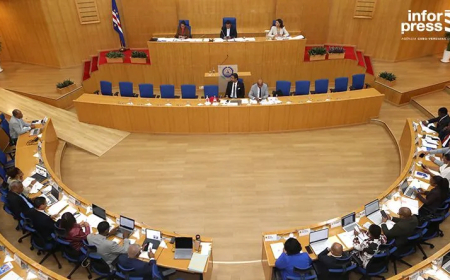
The parliamentary session that starts tomorrow is also expected to examine bills related to the reform of Parliament. The GPPAICV warns of the need for consideration, pointing out that the country is four months away from elections and that structural matters require time and consensus. During the work, the party will also present a vote condemning the coup d'état in Guinea-Bissau, reaffirming its defense of the constitutional order in the neighboring country.